Mostar, the Ottoman bridge over the turquoise river.

We got to Mostar in the morning, after a night incredible to say the least, during which we were protagonists of a series of contingencies:

  • Stray dogs rescue in Jajce, amongst ticks as big as marrowbones removed by our fingers from a puppy head;
  • Sudden abandonment of the hostel we were in Jajce and a 2 hours and a half ride until Sarajevo;
  • Research of Milena, a woman who looks after the Bosnian stray dogs, in an outlying neighborhood of Sarajevo, at 4:00 AM;
  • Puppies delivering to Milena, who, while telling us the terrible things that are happening in this country, starts weeping;
  • Research of the hotel we booked, that we couldn’t find, located on the top of a rise as steep as an elevator;
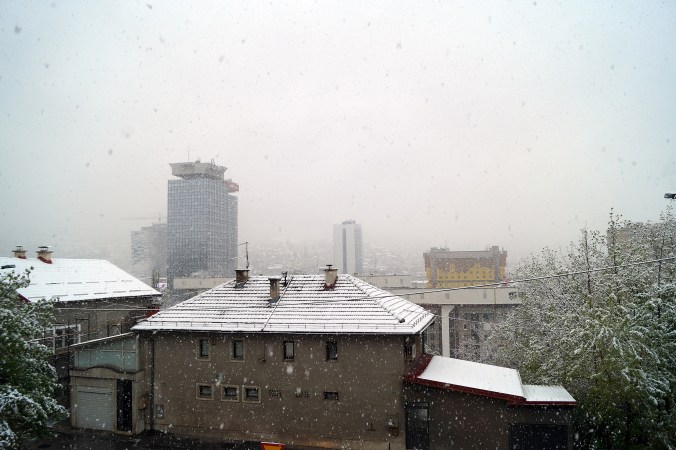
  • Awakening the following day with huge snow flakes that enfold the city;
  • I’m out of hard cash, as usual, and as usual I’m not allowed to pay by credit card, thus I gotta get to an atm: the Skoda Fabia I rented starts slipping on the snow and I almost hit a wall; I swear hard, as usual, and it takes me one hour to find an operating atm.
  • Departure to Mostar.

dsc05155

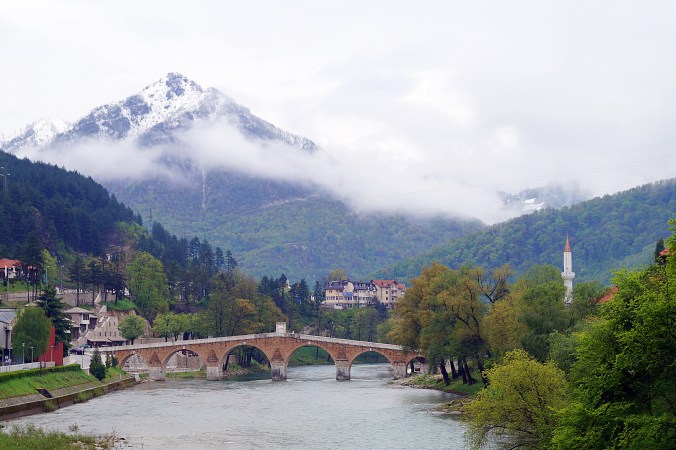
The road which takes from Sarajevo to Mostar is wonderful, and that morning maybe even more, thanks to bridges whitewashed by snow blankets that were walking on emerald green rivers, at the foot of smooth silhouettes barely resembling mountains; across galleries and villages lying asleep, in a scenery made by pastel colors and minarets standing out as eternal lookouts.
dsc05169

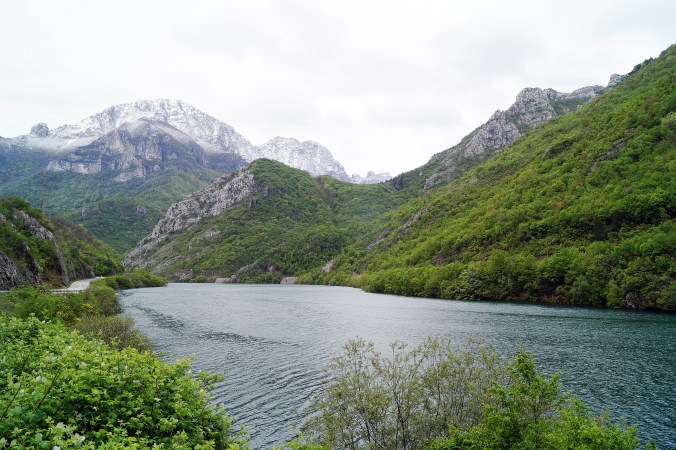
We ran along the Neretva, the beautiful turquoise river that springs upon Dinaric Alps and quite freezing flows until southern Dalmatia, whose banks were the setting of the driving out of the daring Axis Powers by Titus’ partisans.

Happy as a child, whenever I had the opportunity I stood still, in order to smell the atmosphere and to immortalize the image, so much enthusiastic that if someday I had to make this route again I would do it on foot, to fully enjoy the experience.
dsc05175

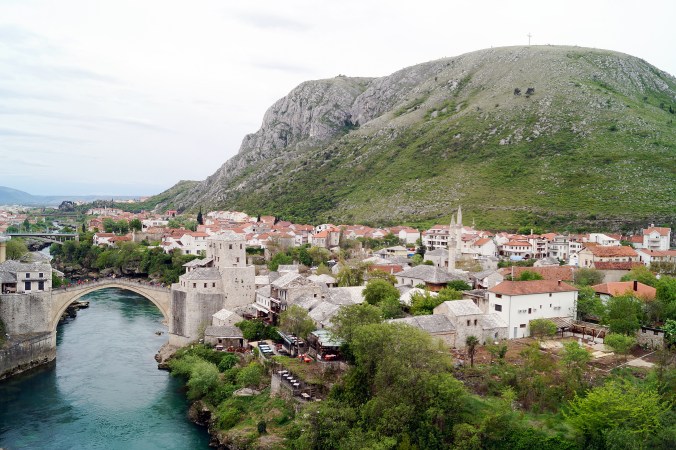
Mostar was covered by a total grey, yet we found it amazingly charming. Founded by the Ottomans in the XV century, it came into the limelight during the ninety’s Yugoslav wars, as the Croatian troops, fighting against the Bosnian to seize the control of the city, blew the old stone bridge up. Later on, the bridge was accurately rebuilt and nowadays in its humpback connects the two banks of the river, and in summertime it gives place to a magical diving competition.
dsc05213

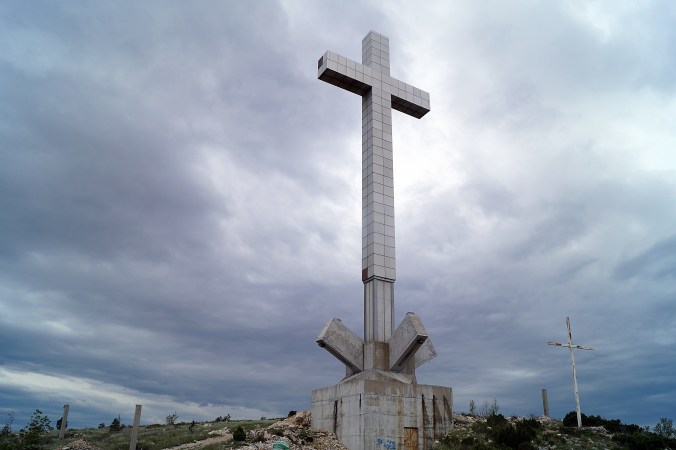
We walked on and on and at some point I caught a glimpse of a cross on the top of a hill. I started asking around what was it about: some ignored my question, others answered annoyed as if to say “nothing special”; till the moment in which we found a guy who gave us an explanation. It is a symbolic monument, he said, a big cross built by the Croatian, as a challenge, years after the end of the conflict with the Bosnian. A kind of warning. From that hill, which is called Mount Hum, the Croatian militias shot mortars on Mostar, that down here, crossed by the greenish waters of the Neretva, was floundering about.
dsc05268

Then he volunteered to take us up there, by his car; alone it is dangerous, he said, and on foot it would take a long time. A couple of minutes and we decided to go.

We got on a wrecked car in company with him and a friend of his, both toothless and fun; we were climbing up Mount Hum, at a slow pace, among hairpin turns and unforgiving dirt road; the car took slaps by the wind and the engine wheezed. Grass around the road was stippled by yellow and red warnings about the presence of antipersonnel mines still unexploded.

The driver said that someone, a bit afar, was observing us while climbing up: that mount was under tight surveillance.

See this hole in my head?, said, pointing at a stitched up wound where hair grow no more, and this other in my shoulder?, the Croatian made it.

Once, I remember, he went on, Izetbegovic told us to run, to go up the mount to kill the Croatian who did not stop to bomb us. But after we indeed had killed them all, from the headquarters they called us again and said the mission was canceled, because they signed the peace agreements.

He carried on cursing at his chiefs, and at war, and at all to this day he still drags with himself.

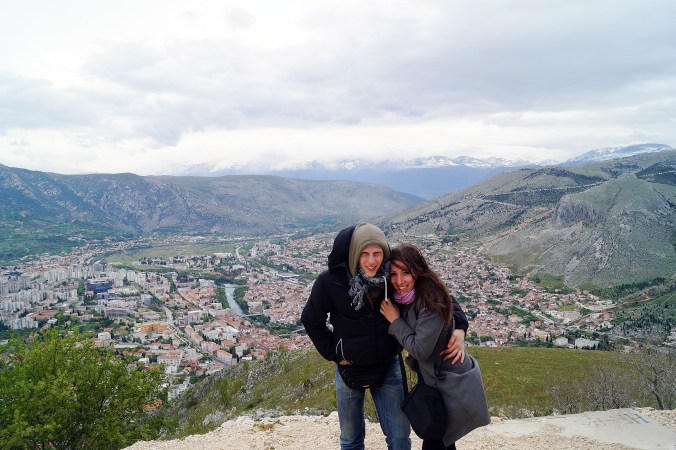
We made it to the summit, at the foot of the cross, and before letting us get off the car to enjoy that weird overview – a mount injected by some thunderous wind’s grim blasts, and speckled by yellow and red cautions, as a memento of a near past – he added:

This is Bosnia-Erzegovina, guys. Here we’re all mad.
dsc05269

Mostar, il ponte ottomano sul fiume turchese.

A Mostar eravamo arrivati di mattina, dopo una notte a dir poco rocambolesca, che ci aveva visti protagonisti nell’ordine di:

  • Recupero cani randagi a Jajce, tra zecche grosse come ossobuchi levate con le dita dalla testa di un cucciolo;

  • Abbandono improvviso dell’ostello di Jajce e viaggio in macchina fino a Sarajevo (2 ore e mezza);

  • Ricerca di Milena, una donna che si prende cura dei randagi della Bosnia-Erzegovina, in un quartiere periferico di Sarajevo, alle quattro di notte, tra palazzoni e vicoli sinistri;

  • Consegna dei cuccioli a Milena, che mentre ci racconta le cose orribili che accadono in questo paese, scoppia a piangere;

  • Ricerca dell’hotel prenotato, introvabile, situato sulla cima di una salita ripida come un ascensore;

  • Risveglio l’indomani mattina con fiocchi di neve giganti che ammantano la città;

  • Non ho contanti, come sempre, e come sempre non accettano altri metodi di pagamento; quindi devo andare a prelevare: la Skoda Fabia noleggiata inizia a slittare sulla neve e per poco non cilindro un muro; smadonno, come sempre, e ci metto un’ora a trovare un bancomat funzionante;

  • Partenza per Mostar.

dsc05155

La strada che conduce da Sarajevo a Mostar è spettacolare, e quella mattina, forse, lo era ancora di più, in virtù del fatto che ponti imbiancati da coltri di neve camminavano su fiumi verde smeraldo, ai piedi di montagne dai contorni morbidi; attraverso gallerie e paesini dormienti, tra colori pastello e minareti stagliati a mo’ di vedette imperiture.

dsc05169

Costeggiavamo la Neretva, lo splendido fiume turchese che nasce sulle Alpi Dinariche e scorre gelido fino alla Dalmazia meridionale, sulle sponde del quale i partigiani di Tito cacciarono le baldanzose armate dell’Asse. Felice come un bambino, mi fermavo ogni volta che potevo, per annusare l’atmosfera e immortalare l’immagine, talmente entusiasta che dovessi rifare quel tragitto lo farei a piedi, per godermelo appieno.

dsc05175

Mostar era coperta da un grigio totale, ma anche così manteneva il suo fascino incrollabile. Fondata dagli ottomani nel XV secolo, era salita alla ribalta internazionale durante il conflitto jugoslavo dei primi anni ’90, quando le truppe croate, in lotta coi bosniaci per il controllo della città, avevano fatto saltare il ponte in pietra della città vecchia. In seguito il ponte fu fedelmente ricostruito e oggi con la sua schiena d’asino collega le due sponde, dando luogo, in estate, a una incredibile gara di tuffi.

dsc05213

Camminammo a lungo e a un certo punto intravidi una croce in cima a una collina. Iniziai a chiedere in giro cosa fosse: alcuni ignoravano la mia domanda, altri rispondevano scocciati come a voler dire “niente di importante”; finché trovammo un tizio che ci spiegò. Si trattava di un monumento simbolico, una grande croce eretta dai croati, come sfida, anni dopo la fine delle ostilità con i bosniaci. Una sorta di monito, ci disse. Da lassù le milizie croate sparavano colpi di mortaio su Mostar, che qua sotto, attraversata dalle verdi acque della Neretva, si dimenava.

dsc05268

Poi si offrì di portarci lassù, in macchina; da soli è pericoloso, disse, e a piedi ci mettete un sacco di tempo. Un paio di minuti e ci risolvemmo ad andare.

Salimmo su una macchina scassata in compagnia del tizio e di un suo amico, entrambi sdentati e simpatici; ci arrampicavamo a rilento sul monte Hum, tra tornanti ripidi e sterrato inclemente; la macchina prendeva ceffoni dal vento e il motore rantolava. L’erbaccia intorno alla strada era punteggiata di segnalazioni gialle e rosse, che indicavano la presenza di mine antiuomo ancora inesplose.

Il tizio alla guida disse che qualcuno, poco distante, ci osservava mentre salivamo: quel monte era sotto stretta sorveglianza.

Vedete questo buco in testa?, fece, indicandoci una ferita suturata dove capelli non ne crescevano più, e quest’altro sulla spalla?, me li hanno fatti i croati.

Una volta, me lo ricordo benissimo, continuò, Izetbegovic ci disse di correre, di salire sul monte e di ammazzare i croati che non smettevano di bombardarci. Ma dopo che effettivamente li avevamo uccisi tutti, ci richiamarono dal quartier generale e ci dissero che la missione era annullata, perché avevano firmato gli accordi di pace.

Seguitava a maledire i suoi superiori, e la guerra, e tutto ciò che ancora oggi si trascina con sé.

Arrivammo in cima, ai piedi della croce, e prima di farci scendere dall’auto per osservare quel panorama strano, un monte iniettato di folate lugubri di vento assordante, e macchiettato di avvertimenti gialli e rossi, a memento di un passato vicino, soggiunse:

Questa è la Bosnia-Erzegovina, ragazzi. Qua sono tutti matti.

dsc05269